Building a daily routine that keeps you moving is a game-changer for both your health and energy. Even when life gets busy, you can sneak in activity that actually sticks with you. I’m going to break down how to craft a daily routine that’s more active, feels doable, and truly fits your lifestyle. Along the way, I’ll share my own tips and some super practical advice to help you make progress without feeling overwhelmed.
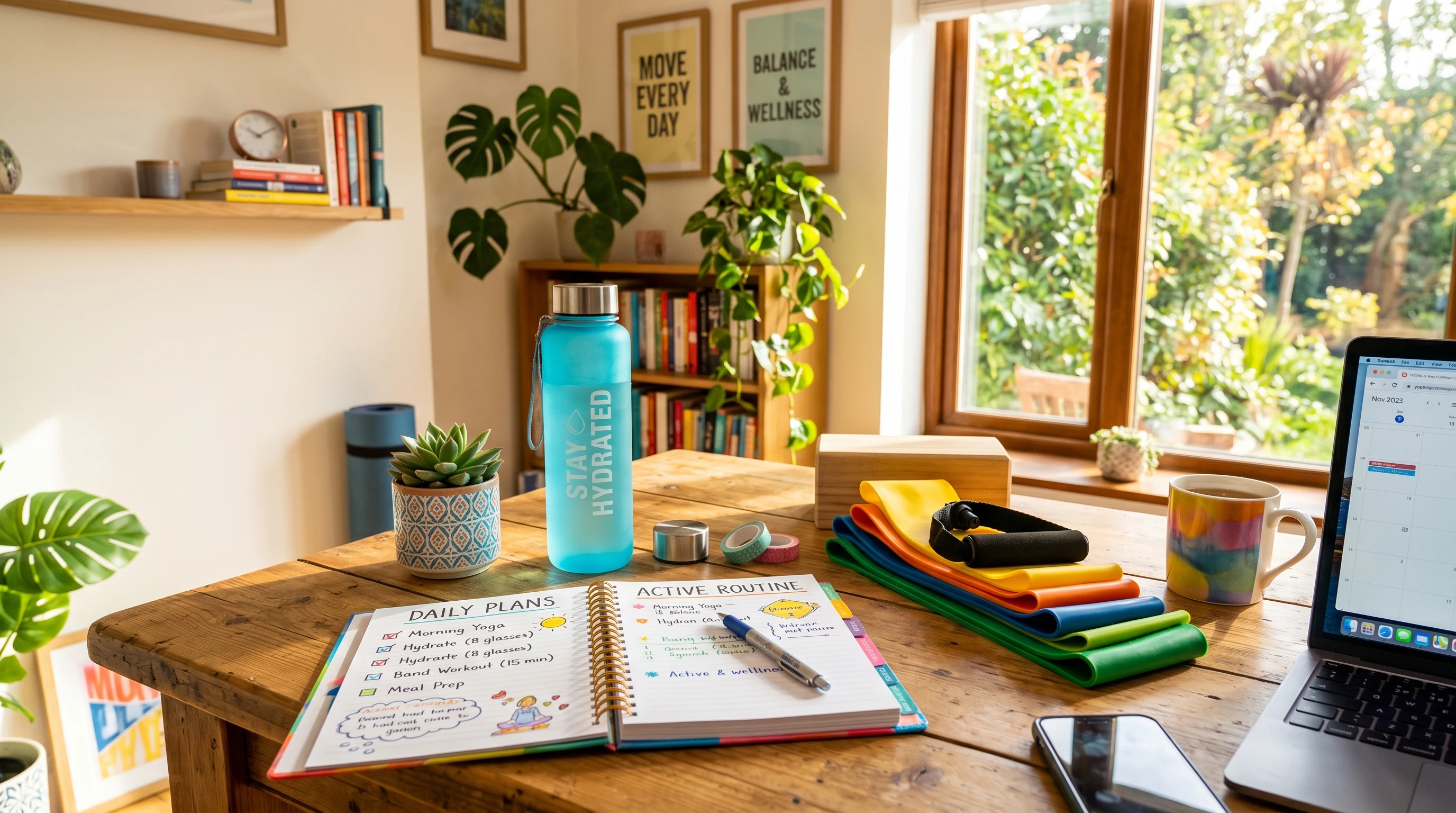
The Benefits of an Active Daily Routine
Staying active isn’t just about squeezing in workouts; it’s about finding simple ways to move more through your day. A routine that encourages movement can boost your mood, spark creativity, and help keep health problems at bay. I’ve found that adding regular activity makes it easier to focus, keeps my energy steady, and even helps me sleep better at night.
The Centers for Disease Control and Prevention (CDC) points out that regular activity can lower the risk of heart disease, manage weight, and improve mental well-being. When you weave movement into your routine, those rewards start to add up, even if you’re not running marathons or crushing gym sessions.
Movement can mean anything from taking the stairs more often to cycling to the store. Consistency is the real secret; it matters way more than intensity or perfection. You want a routine that fits your goals, your schedule, and your personality, because that’s what keeps it going long term.
Setting Up an Active Routine That Works for You
Before adding new activities, a quick reality check on your days really helps. I always look at my current habits and routines to spot where I’m already active and where I spend lots of time sitting or being still. This step makes it much easier to find places to swap in movement without a total overhaul.
- Identify natural breaks: Think about when you get up for coffee, walk your dog, or stretch after sitting. These are perfect times to work movement in.
- Check your schedule: Some people like to move first thing, while others fit activity into lunchtime or evenings. Pay attention to energy spikes and slumps; you can use those to time your activity breaks.
- Mix in what you enjoy: Whether it’s walking, dancing, cycling, or even a quick set of squats, sticking with things you like is the ticket to keeping it up.
I noticed that what really helps is jotting down when I’m most energetic and when I wind up being inactive for hours. For example, before I started planning my days better, I’d realize entire afternoons slipped by without getting up once. Getting clear on your habits makes a big difference; you’re not guessing, you’re actually seeing where things can change.
Tips for Adding More Movement to Your Day
Forget overhauling everything at once. Even tiny tweaks scattered through your day add up to a lot of activity by the time you hit the pillow. Here are a few go-to tips that have helped me and others stay active without adding stress or eating up your whole schedule:
- Sneak in Short Activity Bursts: Five- or ten-minute intervals add up quickly. Try a quick walk after each meal, a few stretches mid-morning, or desk exercises while you answer emails.
- Walk or Bike for Errands: I try to walk or ride my bike for nearby errands. It’s not always possible but even just one or two trips a week can make a difference.
- Use Reminders to Get Up: Setting a reminder on your phone or watch to stand up and stretch every hour helps break long stretches of sitting.
- Blend Movement With Daily Tasks: Pace when you’re on phone calls, do calf raises while brushing your teeth, or take the stairs instead of the elevator.
- Turn Social Time Into Active Time: Suggest walk-and-talk catch-ups with friends, family, or even colleagues for meetings that don’t need a screen.
These small swaps never feel like a big interruption, and they’re super easy to fit around whatever else is on your schedule. Plus, you can adjust as you go. Some days you can do more, others less; no pressure to keep it perfect. If you stick with these tiny changes, you’ll find they truly build up over time. Swapping passive behaviors for active ones, even just a few times a week, improves your mood and helps establish habits that last.
Common Obstacles and Easy Solutions
Even the best plans hit some bumps. Life gets busy, energy dips, or motivation just vanishes. Here are a few hurdles I’ve run into and quick fixes that help keep things on track:
- “I Don’t Have Time”: Try stacking movement with something you already do, like parking farther from the store or stretching during TV shows.
- “I Forget”: Automate reminders with alarms or sticky notes. Putting your workout shoes by the door is a classic trick that actually works.
- “It’s Boring”: Mix up your activity with playlists, podcasts, or new routes so it doesn’t feel stale.
- “I’m Tired”: On low-energy days, swap high energy routines for light movement. Even stretching or gentle yoga boosts your mood and circulation.
Addressing these roadblocks upfront makes it much easier to keep moving, even when motivation takes a dip. Flexibility in your approach is super important; some days will be easier than others, and that’s totally normal. It also helps to share your plans with a friend or make small commitments that help hold you accountable. The more you practice, the more staying active feels like your new normal.
Ideas to Make Your Routine Fun and Sustainable
The most successful routines are the ones you actually want to follow. Making things fun is half the battle. When I started turning chores like cleaning or gardening into ways to get my steps in, it never felt like a workout, but I still racked up movement. Try out new activities, sign up for a class that sounds interesting, or throw on your favorite music and dance around the house. Scheduling active playtime with kids or pets is also a great way to sneak in extra movement.
Another tip that works for a lot of people is trying new things with friends or joining online challenges. Even if you’re going solo, there are plenty of free exercise apps out there (like FitOn or Nike Training Club) that offer bite sized workouts you can mix in whenever you have a spare few minutes. And don’t forget to check out online communities for motivation, accountability, and even a dose of friendly competition. Watching your progress or sharing your wins can help keep your routine fresh and exciting.
- Alternate Activities: Keep things interesting by alternating walking, strength training, stretching, or fun cardio like dance or kickboxing videos.
- Celebrate Small Wins: Every extra set of stairs or minute of stretching counts, so celebrate it. Tracking progress in a notebook or app can really keep you motivated.
- Make It Social: Get a friend or family member on board, or join a local walking group for an extra dose of accountability.
Routines for Different Lifestyles
You don’t need the same routine as everyone else to stay active. Here’s how I handle adjustments for different lifestyles, whether you work from home, are back in the office, or juggle a family schedule:
Working From Home
Add short breaks for movement after each work block. For example, with my work as an athletic equipment manager at a university, I wash a lot of clothes. A washer and dryer cycle last about 35 to 40 minutes, so this is a natural get up and move moment. When I am at home,I try to stand, stretch, or walk a lap around my place every hour. A standing desk helps too, or at least occasionally working at a countertop if you don’t have one. You can also take virtual meetings on your feet, or do some stretches during online calls—just keep a resistance band or stress ball handy for quick exercises at your workspace.
Office Life
Use your commute to get steps in if you can, like getting off the bus a stop early. Schedule brisk lunchtime walks, or sometimes I run up and down the stairs a few times instead of lingering at my desk. And don’t hesitate to propose a walking meeting or stand up while reviewing documents. Packing comfy shoes makes it easier to add more steps to your day.
Family Life
Families can get in on activity together. After-dinner walks, active games, or cleaning up while listening to energetic music all count. This approach helps everyone stay active and makes it more fun for kids. If you’re looking for more ideas, CDC’s guide for families is packed with tips you can try together. Try theme nights, like dance nights or backyard games, to keep everyone excited to move.
FAQ: Building an Active Daily Routine
How much activity do I really need?
The World Health Organization recommends about 150 minutes of moderate activity per week. This sounds like a lot, but it breaks down to just over 20 minutes a day, so it’s really doable when you spread it out through simple choices, like walking more or stretching in downtime.
What if I have an injury or disability?
Staying active is still possible; focus on what movements feel safe, and work with a healthcare provider for ideas that suit your needs. Gentle stretching, chair exercises, or light walks are all solid options. Adapting your routine to your abilities is the best way to keep moving safely.
Is it okay to miss a day?
Absolutely. Missing a day here or there is no big deal. What matters is getting back into the groove when you can, without beating yourself up. Just keep aiming for progress, not perfection.
Sample Active Routine for Beginners
Getting started can feel overwhelming, so here’s a sample routine I’ve used when I wanted to get more movement into my days:
- Morning: Five minutes of light stretching or a short walk
- Mid-morning: Stand up and move for five minutes (march in place, do arm circles, or stretch)
- Lunchtime: 10-15 minute walk outside or inside if weather’s bad
- Afternoon: Move for another five minutes (squats, lunges, stretches, or a quick dance break)
- Evening: Light household chores, yoga, or play a movement based game with family or friends
As you get more comfortable, you can lengthen or change up each activity to fit your schedule or preferences. The goal is to keep moving, and actually enjoy it. For extra motivation, try writing down your activities or snapping a quick photo to track your streaks. These small steps help cement the habit and give you a record of your success.
Adding more activity to your routine doesn’t have to be complicated or demanding. Mixing movement into your normal day helps you feel stronger, more energized, and just generally better all around. These small changes, kept up over time, lead to bigger improvements in health and happiness without ever needing a “perfect” plan. The important part is just to start, keep tweaking what works, and have fun along the way. You might be surprised by how much you grow to enjoy a little more movement every day.